
Book Worms in Music Therapy
When looking into the world of music therapy, there are many interventions that we use for different goal areas. We may use songwriting, instrument play, singing, movement, and more to achieve a variety of goals. A tool that is not often talked about is books. In this day in age, with technology use on the rise, it is a refreshing way to engage with children to teach them about the joys of reading, and using our imagination. I asked each therapist in the office what their favorite music book is, so you can use these at home! The following books are very popular in the office and by using these, they can help with specific goal areas!
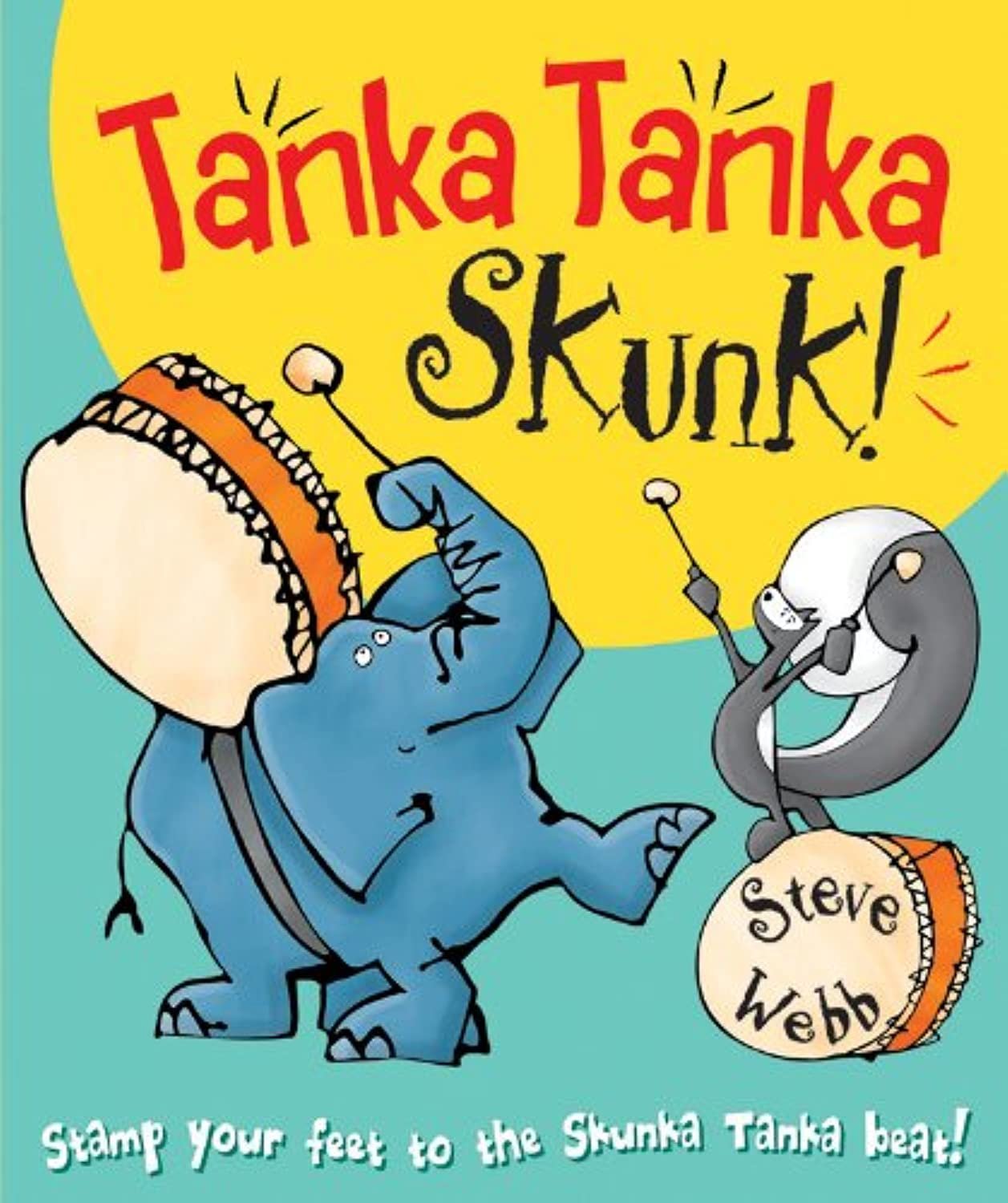
Tanka Tanka Skunk by Steve Webb is a children’s book published in 2003 that explores different syllables while engaging in fun and engaging rhythms. With bright colors, and fun lyrics about different animals, children get to combine rhythm and speech to help with overall speech production. Research has found that, “Rhythm is essential to the understanding of speech. In order to comprehend spoken language, listeners are required to perceive temporal organization of phonemes, syllables, words, and phrases from an ongoing speech stream (Kreidler, Vuolo, & Goffman, 2023).” When pairing these rhythms to a steady beat, it gives the brain the organization to produce speech with factors such as expectation, timing, and auditory processing.
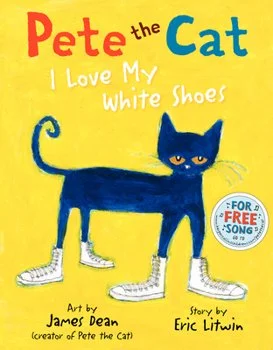
Pete the Cat: I Love My White Shoes by Eric Litwin and art by James Dean is a story about a cat that steps into different items, which thus, causes his shoes to turn different colors. Developmental Speech and Language Training Through Music® (DSLM®) is a Neurologic Music Therapy technique, in which the music encourages the understanding of concepts, vocabulary, and speech sounds. Music therapists can adapt this book into an intervention in which they can make a print out of Pete the Cat, his shoes, and the items found in the book to match colors and learn cause and effect concepts. Pete the Cat also has other books in the collection, such as Pete the Cat and the Perfect Pizza Party and Pete the Cat and His Four Groovy Buttons, which features counting and subtraction concepts.
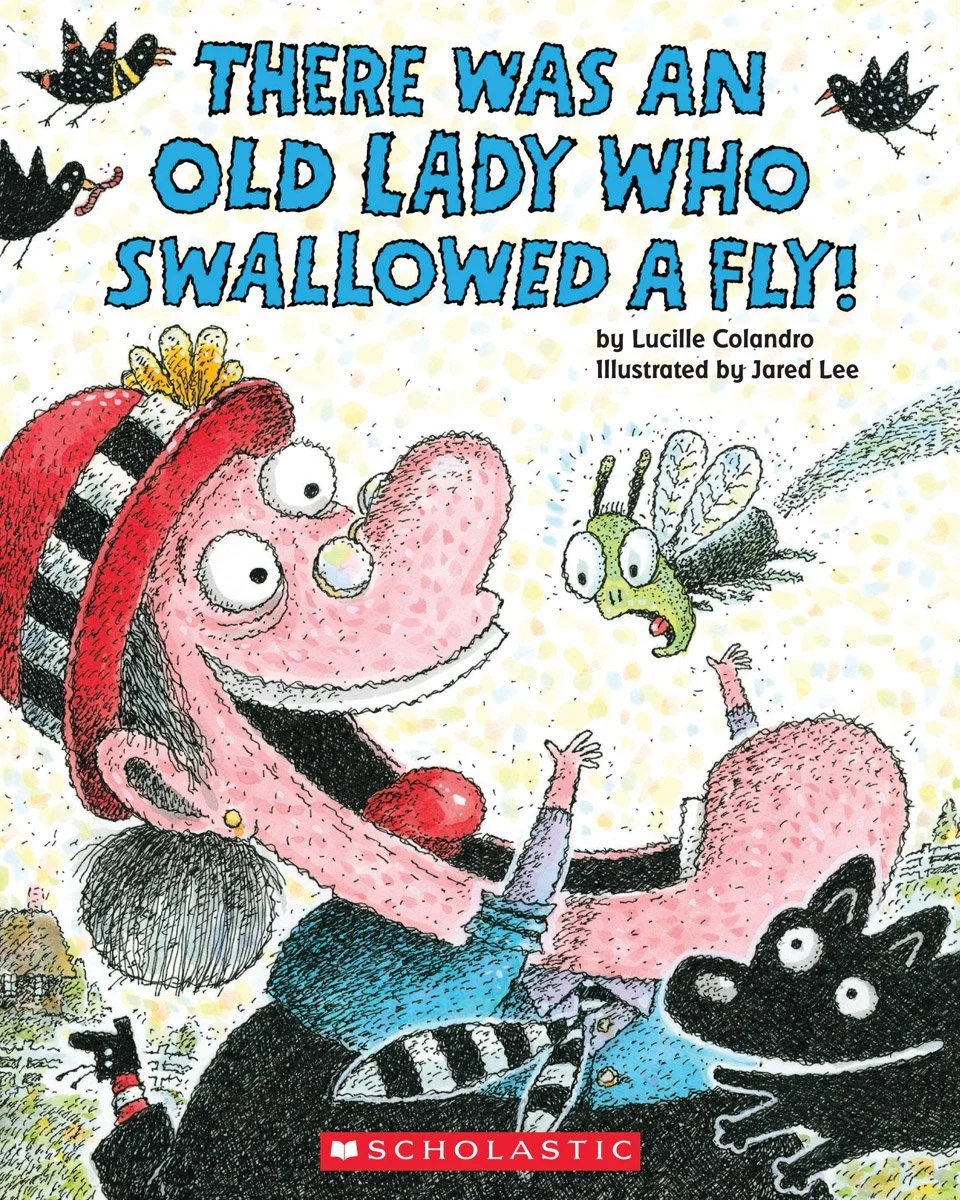
For more cognitive goals, There Was an Old Lady Who Swallowed a Fly by Lucille Colandro is about an old lady who swallows a fly amongst a whole bunch of other fun creatures. The story, based on the nursery rhyme, develops skills such as sequencing and working memory due to having to remember all the animals listed. Studies show that, “recollection and working memory both contribute to math and reading performance (Blankenship et al., 2015).” Thus, when we develop these skills, we are helping to form foundational skills through music. The musical aspect helps to enhance these skills by chunking information together, which relies on temporal structures to synchronize to create neural pathways in the brain to store information. This technique of Neurologic Music Therapy is called Musical Mnemonics Training, or MMT® (Thaut & Hömberg, 2025).
It is important to note that these books were not written by music therapists specifically for music therapy practice. However, they can serve as valuable therapeutic tools for targeting a variety of goal areas, including attention, memory, speech and language, among others. In addition to supporting therapeutic objectives, these books are fun, colorful, and engaging, making them effective for promoting joint attention and active participation in young children without relying on technology. When researching books written by credentialed professionals, I also discovered There's a Dinosaur at My Door, written by award-winning music therapist and Neurologic Music Therapist Julieann Hartley. Released in October 2025, the book incorporates opportunities for vocal exploration, turn-taking, call-and-response, and other interactive musical experiences. This point highlights that while many commercially available children's books can be adapted for music therapy sessions, there is also a growing body of children’s books created by board-certified music therapists with the intention of integrating evidence-based therapeutic techniques into engaging, developmentally appropriate stories.
On August 9th, which marks “Book Lover’s Day,” decide to pick up a book and share a memorable experience with your child or little ones! Visit your local library and look through selections to help spark imagination, build foundational skills, and spark engagement. For more inspiration, check out the following list of our therapists’ favorite books!
Holly’s choice: Hand, Hand, Fingers, Thumb by Al Perkins
Blair’s choice: Pete the Cat and the Perfect Pizza Party by Eric Litwin
Taylor’s choice: Baby Beluga by Raffi, illustrated by Ashley Wolff
Kenzi’s choice: There Was an Old Lady Who Swallowed a Fly By Lucille Colandro
Asila’s choice: Brown Bear Brown Bear, What Do You See? By Bill Martin, Jr.
Sara’s Choice: Tanka Tanka Skunk by Steve Webb
Other honorable mentions:
Chicka Chicka Boom Boom by Bill Martin, Jr. and John Archambault
We’re Going on a Bear Hunt by Michael Rosen
The Pout-Pout Fish by Deborah Diesen
Animal Boogie by Stella Blackstone
References
Blankenship, T. L., O'Neill, M., Ross, A., & Bell, M. A. (2015). Working Memory and Recollection Contribute to Academic Achievement. Learning and individual differences, 43, 164–169. https://doi.org/10.1016/j.lindif.2015.08.020
Kreidler, K., Vuolo, J., & Goffman, L. (2023). Children With Developmental Language Disorder Show Deficits in the Production of Musical Rhythmic Groupings. Journal of speech, language, and hearing research : JSLHR, 66(11), 4481–4496. https://doi.org/10.1044/2023_JSLHR-23-00197
Thaut, M. H., & Hömberg, V. (Eds.). (2025). Handbook of neurologic music therapy (2nd ed.). Oxford University Press.